
Lovingly reproduced from the Game Engine Black Book: Wolfenstein 3D by Fabien Sanglard.
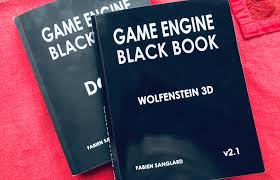
Why Old Game Engines Still Matter
Lovingly reproduced from the Game Engine Black Book: Wolfenstein 3D by Fabien Sanglard.
Fabien Sanglard didn't set out to write a book. He set out to understand a game.
It started back in 1999, when he downloaded the freshly open-sourced Quake engine, cracked it open in Visual Studio 6.0, and spent a few days completely lost. He deleted the source folder and walked away, discouraged.
A few years later, everything changed. He came across Michael Abrash's legendary Graphics Programming Black Book, which explained the big picture of the Quake engine: what it was trying to do, how it was organized, and why. Armed with that context, Sanglard went back to the code. This time, he understood it.
He figured other programmers might be in the same boat: capable, but intimidated by apparent complexity. So he started writing "source code reviews" on his website, picking legendary games like Doom, Quake, and Out of This World, exploring their architecture, and drawing maps to help others find their way in.
Over ten years and more than fifty articles later, he decided to go deeper. This book is the result, and it covers the first of three milestone combinations of hardware and engine from the nineties: Wolfenstein 3D (1992) and the Intel i386.
Why bother with old engines?
It's a fair question. These are games built for extinct machines, compilers nobody uses, and an operating system that Microsoft has long since buried. What's the point?
The point is that these engines are packed with clever tricks born out of hard constraint. The programmers of that era couldn't throw hardware at their problems. They had to think differently, optimize relentlessly, and sometimes invent solutions to problems nobody had solved before.
And the spirit required to do that hasn't changed.
As Sanglard writes: "These days we may deal with gigabytes, dedicated hardware accelerators, and multi-core CPUs but the spirit it takes to keep on moving forward remains the same. To those who struggle today, keep in mind you are not alone. Others have struggled before."
That's what this book is really about. Not nostalgia. Not trivia. The real, gritty story of how a small team took a machine built for office work and turned it into something nobody had ever seen before.